Buying a car at auction for the first time can be an exciting yet nerve-wracking way of getting behind the wheel of your next vehicle.
Thousands of cars every week go under the hammer, from cheap and cheerful superminis to classic cars or collectable supercars.
If you know what you’re doing, buying a car at auction can be one of the most cost-effective ways to buy a used vehicle.
But there are several things that you need to know before you hand over any cash for a second-hand car at an auction.
We’ve compiled a list of what the process involves when buying a car at an auction.
Check online for your nearest auction house
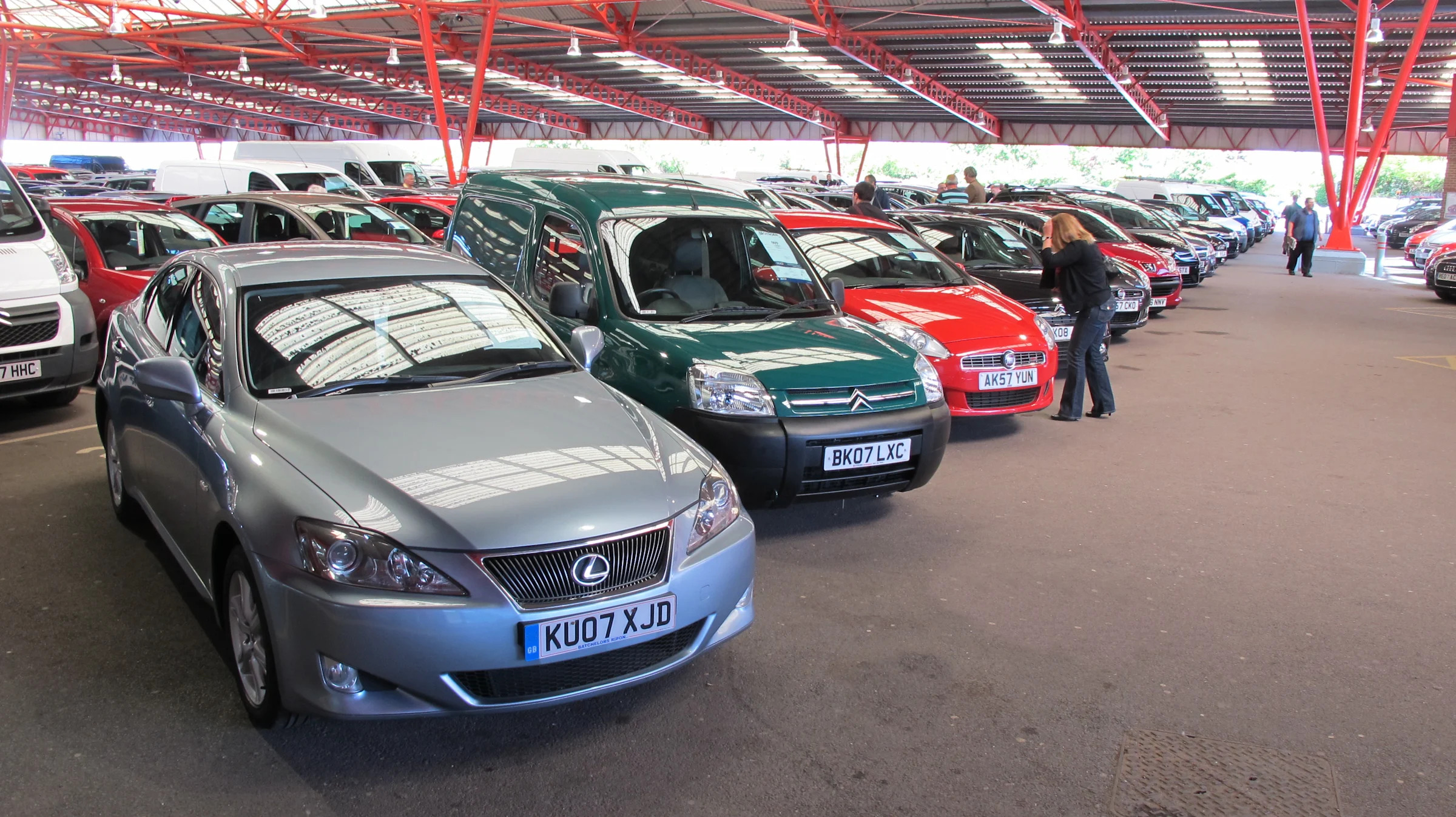
Car auction houses are scattered all over the UK, so it’s recommended you do your research before you travel to find the nearest facility.
British Car Auctions, or BCA, is one of the UK’s largest auction companies and lists all of its locations on its website.
For example, if you live in Hampshire, the nearest BCA auction house is located in Blackbushe, Camberley, while if you live in the London and Kent area, there are centres located in Enfield, Paddock Wood and Crawley.
You can register online with an auction company to access search lists of the cars that will be coming up at auction soon.
Other auction companies include Iconic Auctioneers, Collecting Cars, H&H Classic, Car and Classic, Manheim and Aston Barclay.
What happens at a car auction?
 Attending an auction house is a great way to see up close all of the cars going under the hammer.
Auctions will provide a catalogue of the cars available on site and will give a description of the car’s condition, service history, ownership and will flag up any faults that have been issued.
Rob Hubbard, managing director and principal auctioneer at Iconic Auctioneers, said: “Viewing the cars in person is an important factor. Photographs and videos in the catalogue are useful, but nothing replaces seeing the vehicle in the metal. When you assess the condition; look closely at the bodywork and interior and get a sense of how well it has been looked after, also assess the engine bay, wheel arches and underside.”
Once the auction begins, the cars are driven into the sales room in order of their position in the catalogue, where the auctioneer will set a starting price until someone agrees to take it on.
Bidders will then raise the price of the car until no one is prepared to go any higher. The auctioneer will then sell the car to the highest bidder when they bang their hammer down, which is also known as the ‘hammer price.’
If you’ve never attended a car auction before, Hubbard explained, “My first piece of advice is simple: come along and watch a sale before you plan to bid. Spend an hour in the room and you will quickly get a feel for how things work.”
Placing a bid
 Before you place a bid on the car you’re interested in, make sure you do your research on its market value to make sure you don’t overspend.
Auctions can stock lots of the same model of car, so explore the entire auction lot and highlight the vehicles that pique your interest before the sales begin.
Hubbard thinks it’s important to set yourself a budget and stick to it: “Setting a clear budget is one of the best ways to approach bidding. Auctions can move quickly and the atmosphere in the room can be exciting, so it helps to decide in advance what the car is worth to you and stick to that figure.”
If you’re serious about buying a car, make sure when the bidding process begins that you raise your hand clearly or nod your head towards the auctioneer to let them know of your interest.
If you win the auction of the car you’re interested in, most auction companies will require you to pay a 10 per cent deposit, and then you’ll have 24 hours to settle up the rest of the sale price. You’ll also have to pay a buyer’s fee, which is usually five per cent of the car’s final hammer price.
What are the pros of buying a car at auction?
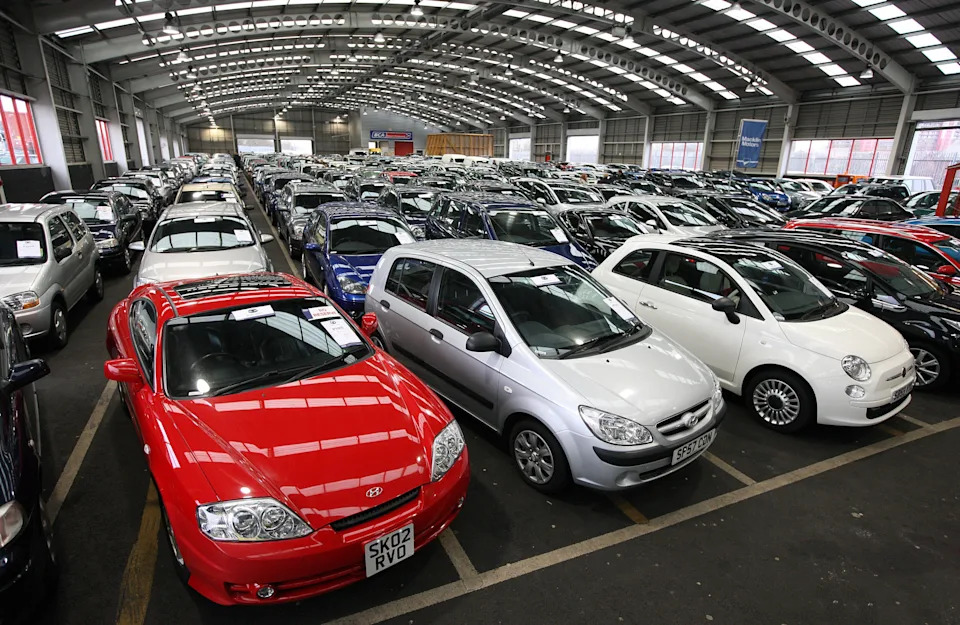 Car auctions offer hundreds of vehicles for sale at a time, while it has a much more relaxed approach as there are no sales staff pressurising you to do a deal.
You can normally pick up a car for a lot less than its retail price on a dealership forecourt. This is because the car hasn’t been prepped by a garage and if you know what you’re looking at, you can get yourself a great second-hand bargain.
Due to the large quantity of cars on offer, auctions are a great place to compare vehicles for their condition, history and mileage, to make sure you drive away with the best example.
What are the cons of buying a car at auction?
 If you’ve found a car you’re interested in, you won’t be allowed to test drive it to check for rattles, squeaks, knocks or bangs.
You also won’t be allowed to have a mechanical inspection on the car before it heads into the sales room, with the only option to speak to the marshall moving the car into the sales area and ask about the car. Does the clutch engage? Are there any mechanical knocks or squeaks and did the car start up the first time? They may be able to help.
The cars sold at auction will not come with a warranty, unless the vehicle still has some of its manufacturer’s remaining guarantee. That means if there are any electrical or mechanical issues, you will not be covered for the repair.
Every vehicle that heads to an auction is not prepared like it would if it were sold through a dealership network. Cars will have a lot of cosmetic damage and will not likely be valeted before it goes under the hammer.